
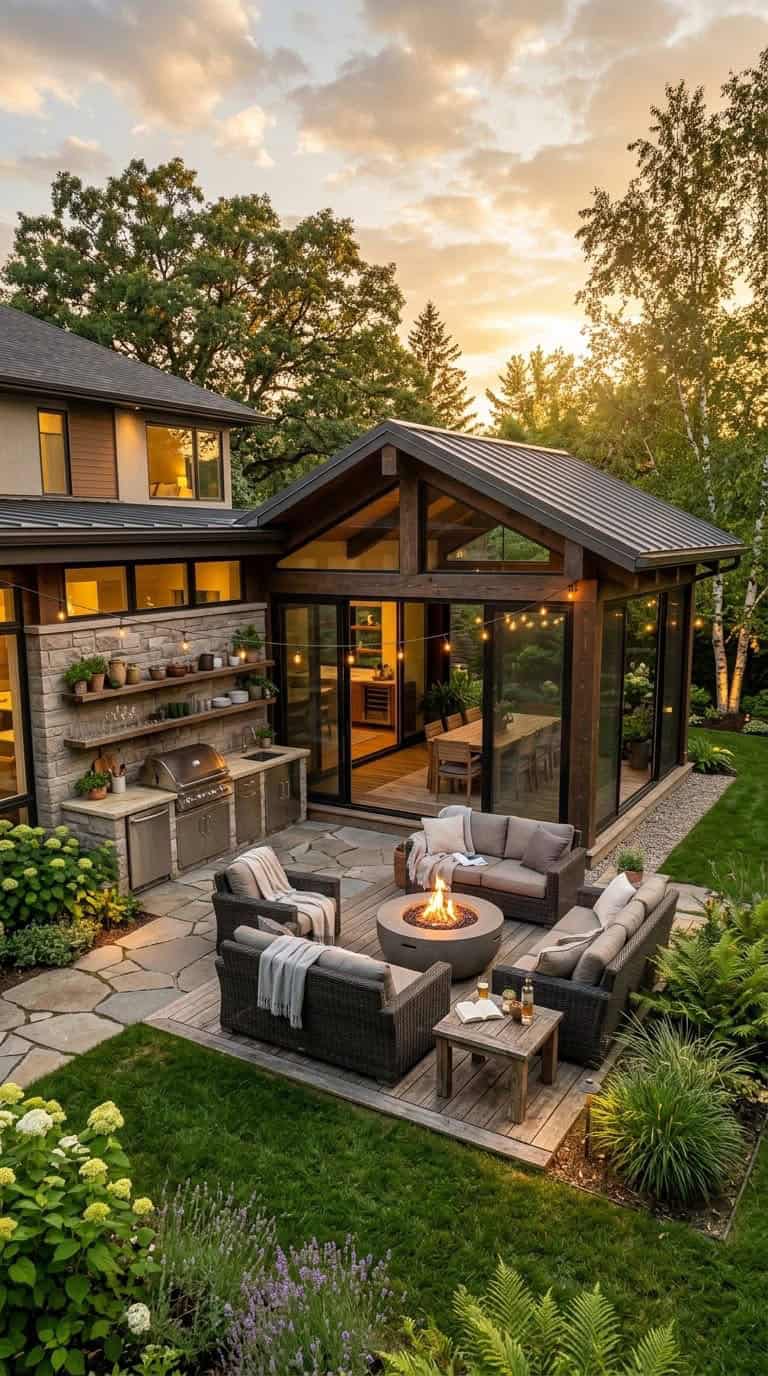
What happens when a beautiful outdoor kitchen is built on an inadequate slab, fitted with indoor-grade cabinets, or connected to gas and electricity without a complete plan? In North Texas, the result can be cracked masonry, warped cabinetry, unsafe utility connections, and an expensive repair project.
A durable outdoor kitchen should be planned as a permanent extension of your home, not simply a grill placed beside the patio. In Keller, Fort Worth, Southlake, Colleyville, Flower Mound, and Denton, the best results come from coordinating layout, structural integrity, climate-resistant materials, utilities, permitting, shade, and the way your family actually uses the backyard.
At PRO Construction, A Boomer Group Inc. Company, we have more than 25 years of local experience helping homeowners create well-planned outdoor living spaces. Our work is guided by transparent pricing, clear communication, and honest, steady craftsmanship.
Key Takeaways
- Design your outdoor kitchen around cooking, preparation, cleanup, storage, and entertaining zones.
- Use materials rated for intense sun, heat, humidity, rain, and occasional North Texas freezes.
- Plan gas, electrical, plumbing, drainage, and structural requirements before construction begins.
- Integrate the kitchen with a covered patio, pergola, lighting, fans, and fire features for year-round use.
- Expect permitting requirements to vary by city, even within Tarrant and Denton counties.
- A design-build contractor can coordinate the details and reduce stress from planning through final inspection.

Start With the Layout: How Will You Use the Space?
The best outdoor kitchen begins with movement. Before choosing appliances or finishes, consider where people will walk, where food will be prepared, and how the kitchen will connect to your home, pool, workshop, or seating areas.
A practical layout usually includes five zones:
1. Cooking Zone
This is the location for your built-in grill, burners, smoker, pizza oven, or kamado cooker. Keep high-heat appliances away from doors, combustible siding, active walkways, and children’s play areas.
If the kitchen is located beneath a solid patio cover, ventilation and manufacturer-required clearances become especially important. A professional plan should account for heat, smoke, wind direction, and access for maintenance.
2. Preparation Zone
Provide continuous counter space near the grill for seasoning, plating, and transferring food. A small counter beside the grill may be adequate for occasional use, but serious outdoor cooking usually benefits from a larger dry-prep area.
3. Cold and Storage Zone
An outdoor-rated refrigerator, ice maker, drawers, or weather-resistant cabinets can eliminate repeated trips into the house. Choose refrigeration specifically designed for outdoor temperatures. Indoor appliances are not built to perform reliably through a North Texas summer.
4. Wet Zone
A sink is useful for rinsing vegetables, washing hands, and cleaning tools. However, adding water and drainage introduces plumbing requirements and winterization considerations. Shut-off valves and accessible drain points should be planned before masonry closes in the utility lines.
5. Serving and Entertaining Zone
A raised bar, serving counter, or nearby dining area helps guests remain part of the conversation without crowding the cooking area. In larger backyards across Southlake, Colleyville, Flower Mound, and Keller, the kitchen may serve as the transition point between a covered patio, pool deck, fire feature, and lawn.
Choose Materials for North Texas Weather
North Texas outdoor living spaces face more than heat. Your materials must withstand UV exposure, sudden thunderstorms, humidity, wind, soil movement, and freeze-thaw cycles.
Stone and Brick
Stone and brick are popular because they provide durability and help the outdoor kitchen relate visually to the home. A matching masonry veneer can make the kitchen feel like part of the original architecture rather than a temporary island.
The veneer is only one part of the system. The framing, waterproofing, substrate, foundation, and drainage behind it are equally important. Heavy masonry and countertops may require a reinforced slab, thickened footing, or another engineered support system. Placing a stone kitchen on an ordinary patio without checking the load capacity can lead to settlement and cracking.
Countertops
For outdoor countertops, granite, quartzite, and properly rated porcelain are common durable choices. They handle heat and sunlight better than many indoor materials.
Indoor quartz products should not automatically be assumed suitable for outdoor installation. Some can discolor or degrade under prolonged UV exposure. Your material supplier should confirm that the specific product is rated for exterior use.
Stainless Steel
Look for outdoor-rated stainless appliances, doors, drawers, and hardware. Higher-grade stainless steel, such as 304 or 316, generally offers better resistance to corrosion than less durable alternatives.
Stainless steel is particularly useful for appliances and cabinetry in partially exposed kitchens. Even so, covers, shade, and regular cleaning will help preserve the finish.
Weather-Resistant Cabinetry
Standard interior wood cabinets are a poor choice outdoors. Heat and moisture can cause swelling, warping, rot, and finish failure.
Weather-resistant options include:
- 304 or 316 stainless steel
- Marine-grade polymer or HDPE
- Powder-coated aluminum
- Exterior-rated composite systems
The right selection depends on exposure, budget, aesthetic goals, and how much maintenance you are willing to perform.

Gas or Charcoal: Which Cooking Method Is Right?
Both gas and charcoal can work well. The better choice depends on how you cook and how the kitchen will be built.
Natural Gas
Natural gas is convenient for homeowners who grill frequently. A dedicated line eliminates propane-tank changes and provides consistent fuel for grills, side burners, fire features, and patio heaters.
The tradeoff is planning. Gas piping must be sized correctly, routed safely, pressure-tested, and inspected. The line should be designed around the complete appliance load, not just the grill you plan to install today.
Propane
Propane can be practical when a natural gas connection is not available or when you want more flexibility in appliance placement. Tanks require proper storage and may affect the appearance and available cabinet space.
Charcoal and Wood-Fired Appliances
Charcoal grills, smokers, and pizza ovens provide a distinct flavor and cooking experience. They also produce more heat, smoke, and ash. These appliances should be placed with careful attention to clearances, ventilation, wind, and fire safety.
In Tarrant County, outdoor cooking guidance includes restrictions during burn bans. Charcoal or wood-burning grills and fire pits may need to be placed on noncombustible surfaces and kept away from combustible materials. Always verify current requirements before using solid-fuel appliances.
Integrate the Kitchen With a Covered Patio
A covered patio is not simply an attractive roof over the kitchen. It changes the space’s comfort, maintenance, lighting, and utility requirements.
A solid roof provides better protection from rain and direct sun, helping preserve countertops, cabinetry, appliances, and furnishings. It also makes it easier to add ceiling fans, recessed lighting, speakers, heaters, and television mounts.
A pergola offers filtered shade and airflow, but it does not provide the same weather protection. If your kitchen is partially exposed, select especially durable materials and use protective covers for appliances.
The roof structure itself must be designed for local wind loads, proper drainage, attachment details, and foundation conditions. In areas with expansive clay soil, such as parts of Tarrant and Denton counties, footings and drainage deserve particular attention.
Homeowners searching for covered patio builders Fort Worth should ask whether the contractor handles structural plans, roof tie-ins, inspections, and utility coordination, not just the visible finishes. Our guide to custom patio covers explains why permanent shade structures require the same level of care as other residential improvements.
Plan Electrical, Plumbing, Gas, and Drainage Early
Outdoor kitchens often need more infrastructure than homeowners expect:
- Dedicated electrical circuits
- GFCI-protected outlets
- Outdoor-rated lighting
- Refrigerator and ice-maker connections
- Gas piping for grills or fire features
- Water supply and drainage
- Shut-off valves and winterization access
- Surface drainage away from the home and foundation
These systems should be mapped before the slab, footings, cabinetry, or masonry are installed. Retrofitting utilities later can require demolition and increase cost.
The same principle applies to a covered patio. Ceiling fans, lighting, heaters, and entertainment systems are easier to install when they are included in the original electrical plan.
Add Fire Features Carefully
A fire pit, fireplace, or linear gas fire feature can extend outdoor living into cooler evenings and create a natural gathering point. It can also introduce significant safety and code considerations.
The feature should be placed with appropriate clearance from the home, patio roof, furniture, fencing, vegetation, and other combustible materials. Gas supply must be coordinated with the outdoor kitchen so the system is properly sized. A masonry fireplace also adds substantial weight and may require dedicated structural support.
When kitchen masonry, patio finishes, and a fireplace use complementary stone or brick, the entire backyard feels more intentional. This is one reason the broader outdoor living North Texas trend is moving toward complete environments rather than disconnected features.
Permits Depend on Your City
Permit requirements vary by municipality. A permanent outdoor kitchen with a patio cover, gas, electrical, plumbing, or structural masonry should be reviewed before work begins.
- Fort Worth residential permitting information explains when residential construction and trade work require permits and inspections.
- Keller’s permit guidance directs residents to confirm project-specific requirements with Building Services.
- Southlake Residential Construction provides guidance for additions, accessory structures, and outdoor living work.
- Colleyville permit application forms include resources for residential additions and related construction.
- Flower Mound Building Information and Permits lists patio cover and outdoor kitchen permit categories.
- Denton residential patio cover requirements identify site plans, foundation information, framing details, and inspections that may apply.
A private residential kitchen generally does not require a county health permit simply because you cook there. Public or commercial food service is different. Tarrant County Public Health requirements may apply when food is prepared or served to the public.
Our team manages design, permitting, material coordination, inspections, and contractor oversight so these administrative burdens do not fall entirely on you.

Plan the Budget Around the Complete Scope
A basic grill island and a fully integrated outdoor room are very different investments. The cost is influenced by:
- Kitchen size and layout
- Foundation or slab modifications
- Stone, brick, or stucco finishes
- Countertop material
- Cabinet construction
- Appliance quantity and grade
- Gas, electrical, plumbing, and drainage extensions
- Patio cover or pergola construction
- Lighting, fans, heaters, and fire features
- Permitting and inspection requirements
PRO Construction provides transparent pricing so you can understand what is included before construction begins. We can also discuss flexible financing options through Gus Moreland at First United Bank, subject to lender approval and terms.
We coordinate with trusted material and design partners, including Builders FirstSource, ProSource Wholesale, and Sherwin-Williams, to help homeowners make informed decisions about materials, finishes, and project requirements.
Local Experience Protects the Details
Outdoor kitchens are personal spaces, but they are also structural projects. A well-planned design protects your investment, your family, and the long-term value of your property.
Projects such as the workshop and patio work at 6612 Rhea Ridge Dr reflect an important principle: outdoor features should be planned in relation to the entire property. A kitchen, patio, workshop, garage, pool, and fire feature should support one another rather than compete for space.
That same planning mindset applies whether you live in Keller or Fort Worth in Tarrant County, or Flower Mound or Denton in Denton County.
PRO Construction has more than 25 years of local experience and maintains a top 1% BuildZoom ranking. We approach each project as a responsible steward of your home, with clear communication and honest, steady work from the first conversation through final inspection.
Start a Conversation About Your Outdoor Kitchen
Your outdoor kitchen should be comfortable in July, dependable after a storm, and thoughtfully integrated with your home. The right process begins with a site evaluation, a clear scope, and a realistic discussion about how you want to cook, gather, and use the space.
If you are considering an outdoor kitchen, covered patio, fireplace, or complete backyard renovation, let’s talk with PRO Construction. Call 817-241-1112 to start a conversation.
Frequently Asked Questions
What is the best material for an outdoor kitchen in North Texas?
Stone or brick veneer, granite or exterior-rated porcelain countertops, stainless steel appliances, and marine-grade polymer or powder-coated aluminum cabinetry are durable choices for the North Texas climate. The structure beneath the finishes is equally important.
Do I need a permit for an outdoor kitchen?
Permit requirements depend on the city and the project scope. Permanent kitchens, patio covers, masonry structures, gas lines, plumbing, and electrical work commonly require permits or inspections. Confirm requirements with your city’s building department before construction.
Is gas or charcoal better for an outdoor kitchen?
Gas is convenient and provides consistent heat, while charcoal and wood-fired appliances offer distinctive flavor. Gas requires careful utility planning, and charcoal or wood-burning appliances require additional attention to clearances, smoke, ash, and fire safety.
Can I build an outdoor kitchen under a pergola?
Yes, but the layout must account for heat, smoke, appliance clearances, and the pergola’s materials. A solid patio cover provides more protection from sun and rain, but may require additional ventilation planning.
How does PRO Construction help with outdoor kitchen projects?
PRO Construction coordinates design, structural planning, permitting, materials, inspections, and contractor oversight. Our team brings more than 25 years of North Texas experience, transparent pricing, financing resources, and a top 1% BuildZoom ranking to each project.
Leave a Reply