
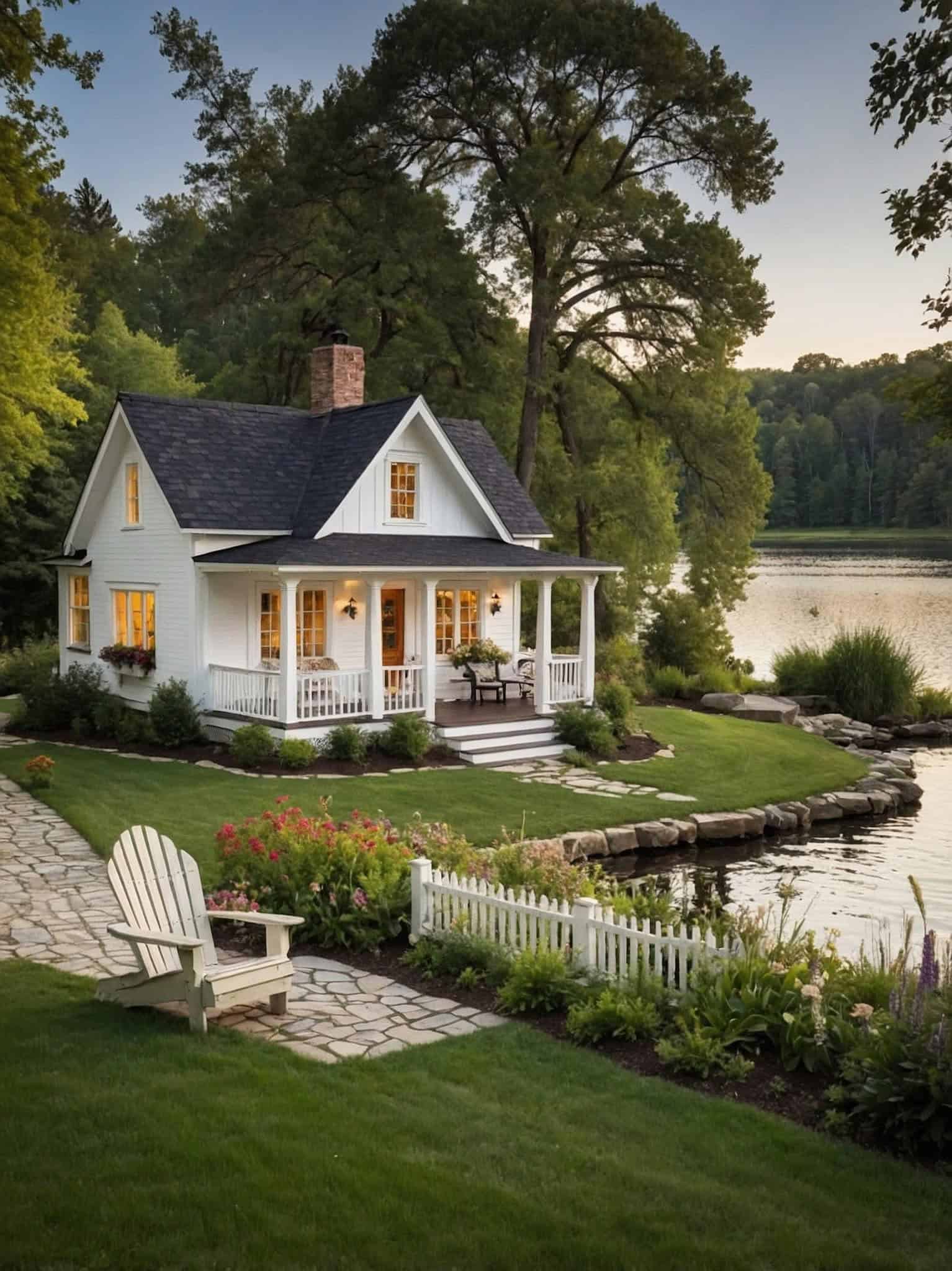
What if the lot with the best water view is the one most likely to derail your budget? And what if the hidden risk is not the house at all, but the land beneath it, the shoreline rules around it, and the permits attached to it?
At PRO Construction, A Boomer Group Inc. Company, we have spent more than 25 years helping North Texas families think through high-stakes residential projects with clarity and discipline. Bruce Laing’s 25 years of local experience have shown us that lakefront property can be deeply rewarding, but it also demands a more careful process than a typical homesite in Keller, Fort Worth, Grapevine, Flower Mound, or the surrounding Tarrant and Denton County communities.
A lake house build is shaped by floodplain limits, access constraints, utility questions, soil behavior, and shoreline oversight long before framing begins. That is why we encourage buyers to slow down, verify the site feasibility, and review the lot with an experienced builder before closing.
Before you commit, here are 10 practical checks that can help you protect your investment, your timeline, and your long-term plans for the property.
1. Floodplain and FEMA Zone Verification
The proximity to water is the primary draw, but it is also your greatest risk. In North Texas, particularly around Grapevine Lake and Lake Lewisville, floodplain boundaries can be deceptive. You must verify the FEMA Base Flood Elevation (BFE) before purchasing.
Building even partially within a designated floodplain doesn't just increase your insurance premiums: it dictates your entire structural design. We often see requirements for "pier and beam" foundations or specific "flood vents" that can add tens of thousands to your budget. Never trust a visual estimate of the water line; trust the topographical survey.
2. Utility Access: Sewer vs. Septic
Do not assume that because a lot is in an established area like Flower Mound or Southlake that it has municipal sewer access. Many lakefront lots, especially the larger, more secluded ones, require an On-Site Sewage Facility (OSSF).
If the lot requires septic, you aren't just buying land; you’re buying a "septic reserve area." This is land that cannot be built upon, paved, or heavily landscaped. If the lot is too small or the slope is too steep, you may find yourself restricted to a much smaller house footprint than you planned.

3. Tree Preservation Ordinances
If you are looking at properties in Flower Mound or Southlake, you are dealing with some of the strictest tree preservation ordinances in the state. These cities view their "Cross Timbers" heritage with a sense of stewardship that we share, but it means you cannot simply clear-cut a lot to make room for your view.
Removing a "specimen" or "historic" tree can result in significant mitigation fees or, in some cases, a flat denial of your building permit. We recommend a professional tree survey during your feasibility period to ensure your dream floor plan doesn't conflict with a protected Post Oak.
4. Soil and Septic Suitability
The soil composition near our local lakes can vary wildly: from the sandy loams of Denton County to the expansive "black gumbo" clays of Tarrant County. For lake-adjacent lots, the soil must be tested for drainage capacity (percolation) if you intend to install a septic system.
If the soil doesn't "perc," you may be forced to install an aerobic treatment system, which is more expensive to maintain and requires a dedicated spray field. This is a technical detail that directly impacts your property’s long-term value and functionality.
5. Easements and Setback Surprises
Waterfront properties are often crisscrossed with easements. These might be for public utilities, drainage, or even "flowage easements" owned by the Army Corps of Engineers. A flowage easement gives the government the right to flood your land up to a certain elevation if the lake rises.
You cannot build permanent structures within these easements. We have seen buyers lose 30% of their buildable acreage to these invisible lines. Always review the title commitment and the plat map with a professional who knows how to read the fine print.

6. Permitting Differences Across Lake Cities
The rules change the moment you cross city lines. Building in Grapevine is a different experience than building in Trophy Club, Argyle, or Denton. Each municipality has its own aesthetic requirements, building codes, and inspection schedules.
As a Boomer Group Inc. Company, PRO Construction manages these regional nuances daily. With Bruce Laing’s 25 years of local experience, our team helps homeowners move through permitting with a steadier plan, clearer expectations, and fewer avoidable delays so the project stays aligned with local zoning and code requirements from day one.
7. Dock and Shoreline Regulations
If you imagine walking out your back door onto a private dock, you need to know who owns the shoreline. At Lake Lewisville and Grapevine Lake, the U.S. Army Corps of Engineers (USACE) typically owns the land up to a specific elevation. You may only have a "shoreline use permit," which is not the same as ownership.
At Eagle Mountain Lake, the Tarrant Regional Water District (TRWD) oversees construction. If you want to build a dock, a seawall, or even a simple retaining wall, you need their blessing first. These permits can take months and have very specific structural requirements.
8. Impervious Coverage Limits
To protect the water quality of our lakes, many local jurisdictions limit "impervious coverage": the total square footage of surfaces that don't absorb rain (like your roof, driveway, and pool deck).
In environmentally sensitive areas near the water, you might be limited to covering only 25% or 30% of your lot. If you want a massive custom home and a three-car garage, you’ll need a lot large enough to accommodate those square feet while staying under the coverage cap.

9. Driveway and Access Road Requirements
Lake lots are rarely flat. While a sloped lot offers the best views, it also presents challenges for driveway access. Fire departments in cities like Keller and Westlake have strict requirements for "emergency vehicle turnaround" and maximum driveway slopes.
Building a driveway that meets code on a steep hill can cost as much as a small home addition. We look at the "site feasibility" of the terrain before our clients commit to a purchase to ensure the "path of least resistance" is also the most cost-effective.
10. Why Buying the Lot Without a Builder Review is a Risk
The most common mistake we see is a buyer purchasing a lot and then bringing in a builder, only to find out their dream home is physically or legally impossible to build on that specific land.
By involving PRO Construction during your lot-selection process, we act as your technical shield. We review surveys, look closely at soil and drainage reports, and verify utility access before you’re locked in. We also bring the practical perspective that comes from working with trusted local partners like Gus Moreland at First United Bank, Builders FirstSource, ProSource, and Sherwin-Williams. Our job is to help protect your investment and make sure your plans rest on a durable, well-vetted foundation.
Key Takeaways for Lakefront Buyers:
- Trust the Survey: Never rely on visual property lines near the water.
- Know the Authority: Determine if you are dealing with the USACE, TRWD, or the local city.
- Check the Trees: In Flower Mound and Southlake, trees are more than just landscaping: they are regulated assets.
- Verify Utilities: Septic requirements can drastically reduce your buildable area.
- Consult Early: Have your builder review the lot before you close.
Building a custom lake house should be a rewarding experience, not a string of preventable setbacks. At PRO Construction, we believe transparent communication and honest, steady work matter most when the site is complex and the stakes are high. From early feasibility review through permitting and site preparation, we carry the technical burden so you can make informed decisions with confidence.
Let’s talk about your vision for a North Texas lake home.
Start a conversation with our team at 817-372-0211 or visit our project gallery to see the high-quality craftsmanship we’ve delivered across North Texas for more than two decades.
PRO Construction – A Boomer Group Inc. Company